About Vaak
A South Indian Arts Initiative
Research • Archives • Conversations
Vaak is a cultural initiative dedicated to documenting, interpreting, and re-imagining the artistic traditions of South India.
We explore music, dance, visual culture, literature, cinema, and the many intellectual traditions that shape them. Through research, curation, archives, and storytelling, Vaak seeks to build a deeper understanding of artistic lineages — while opening new conversations about their relevance today.
At its heart, Vaak believes that art is not static heritage. It is a living continuum shaped by memory, scholarship, performance, and interpretation.
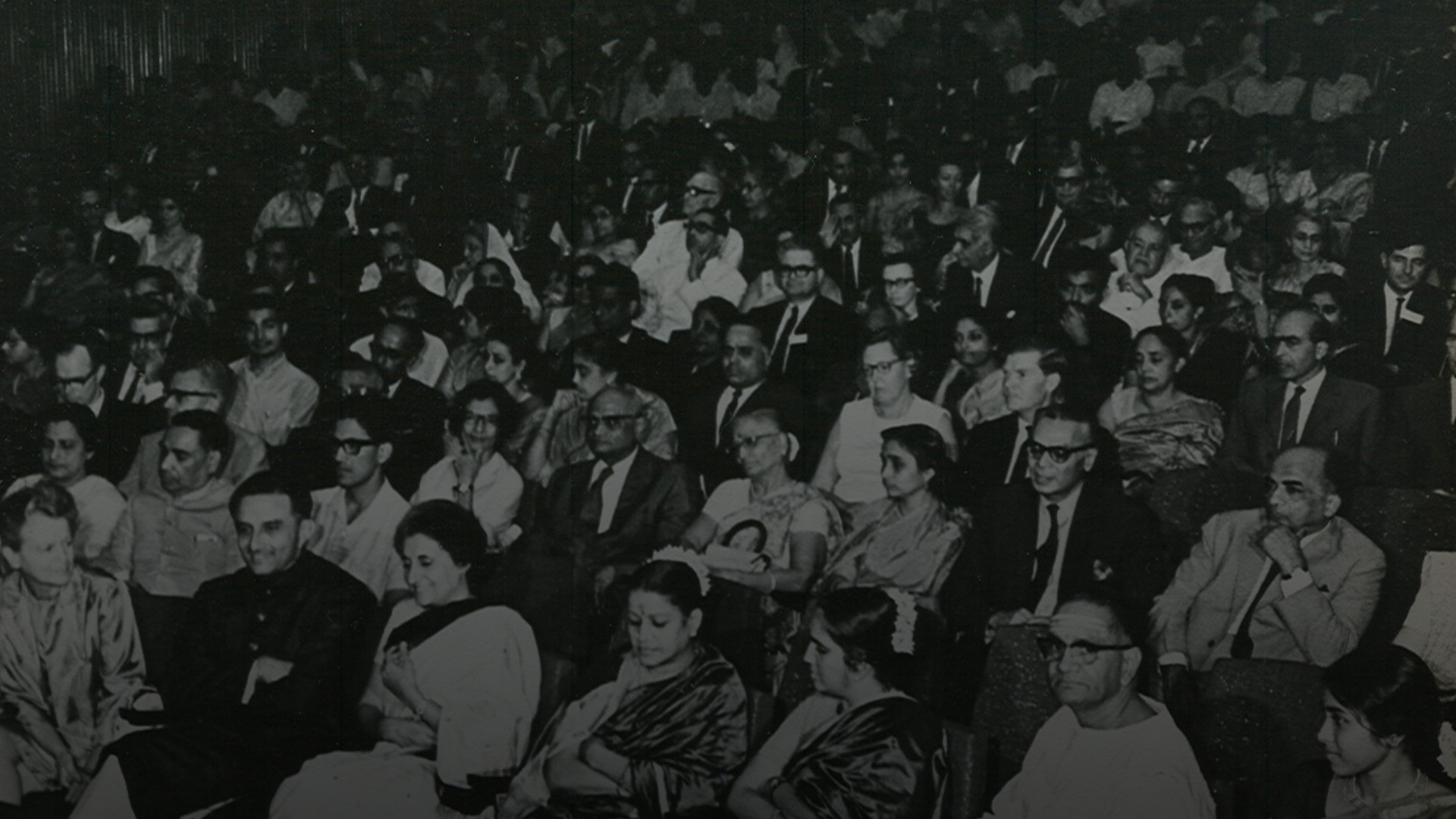
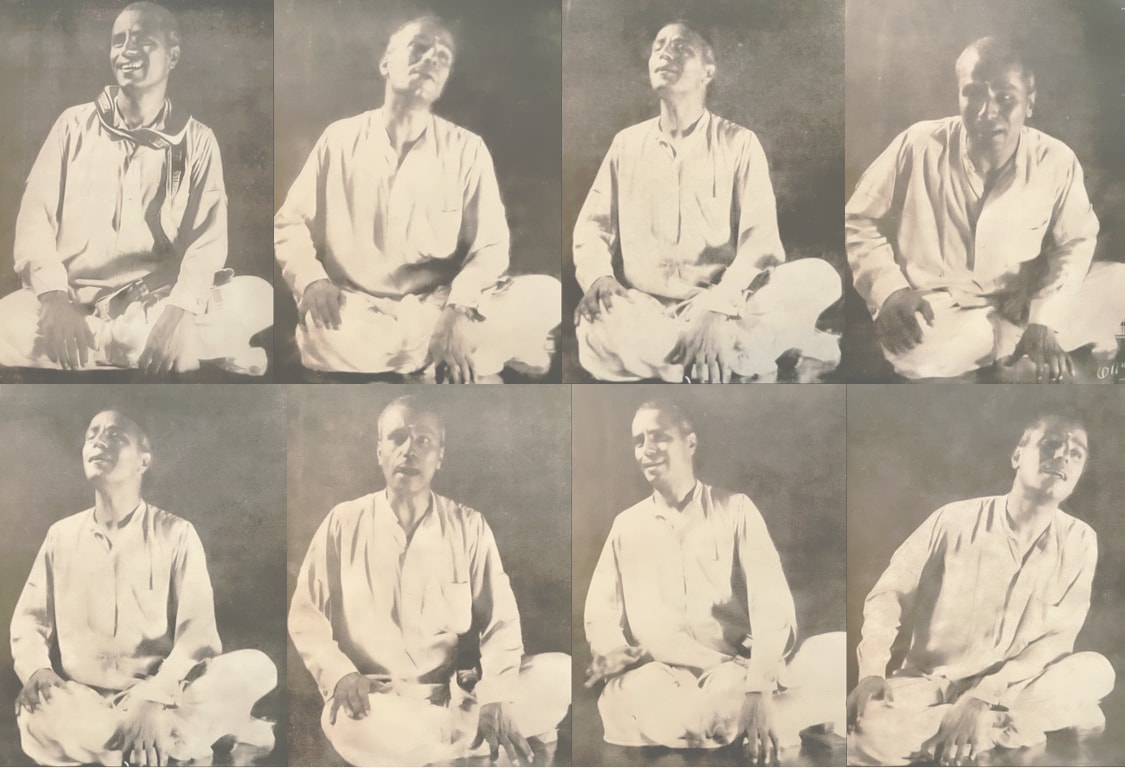
Across our platform you will find rare recordings, photographs, essays, and visual narratives that illuminate the people, ideas, and histories that shaped the arts we cherish.
Our work unfolds across several areas:
- Digital Archives: We curate and organise rare audio recordings, photographs, film footage, and historical material relating to artists and performances.
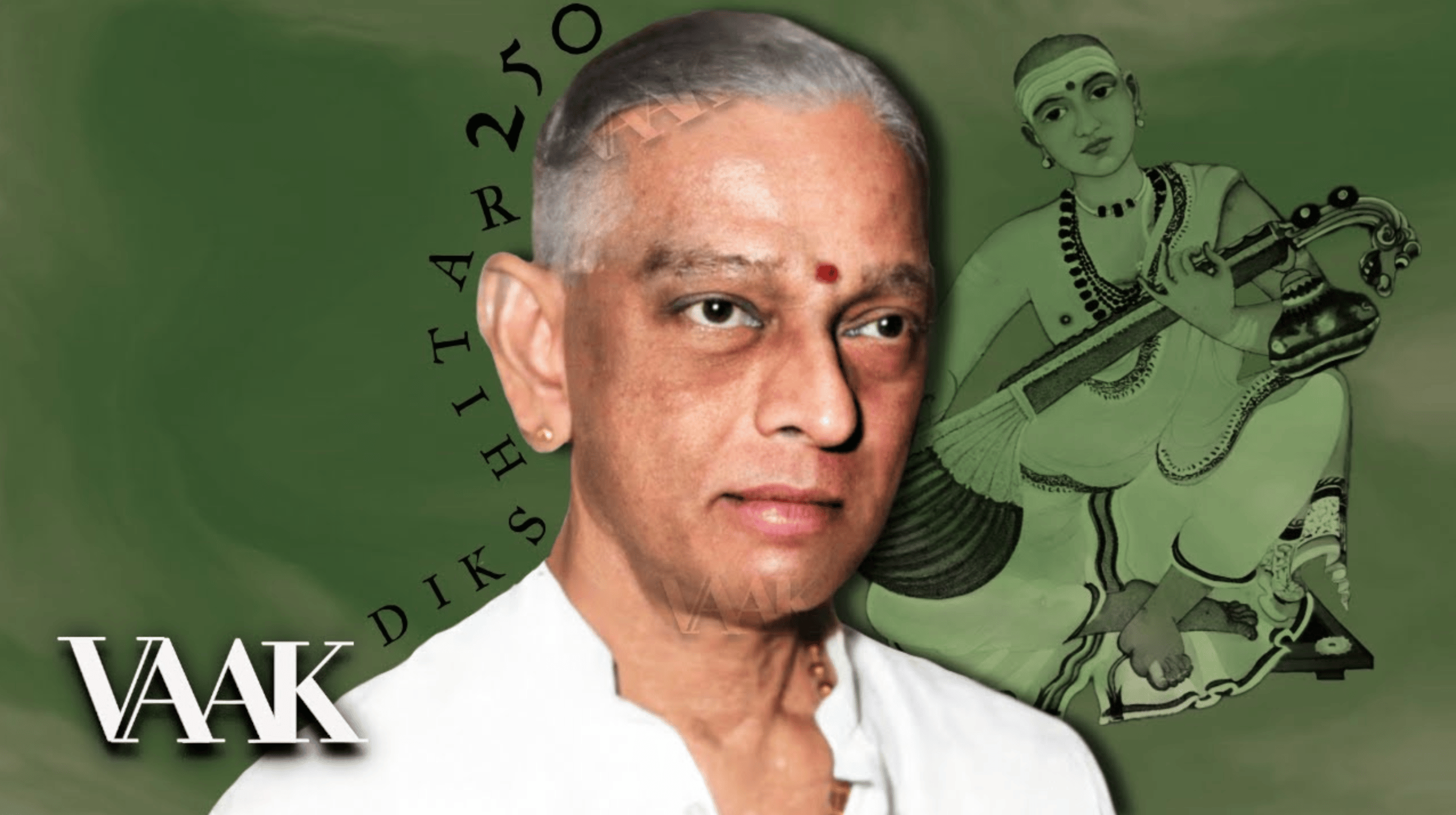
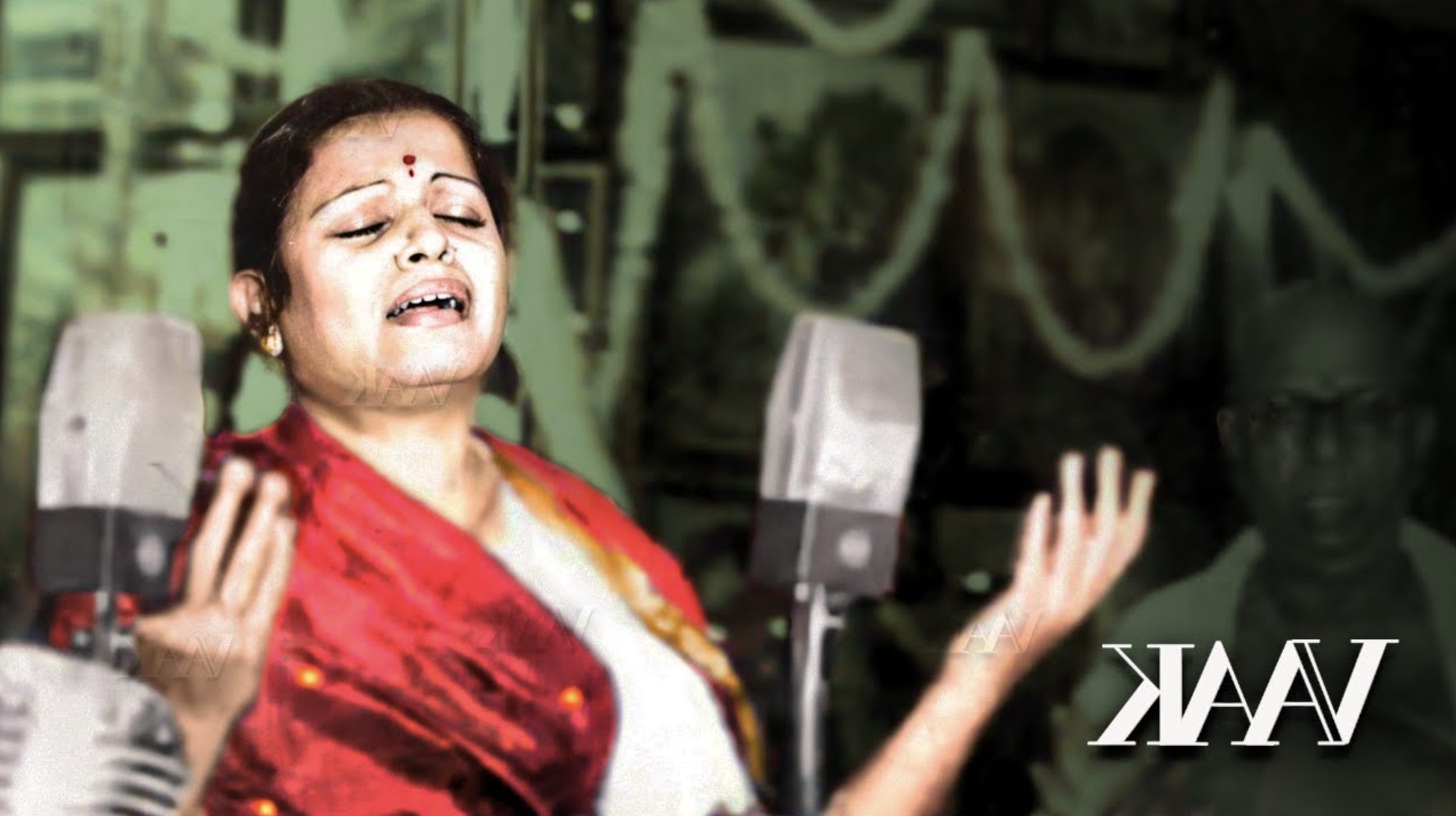
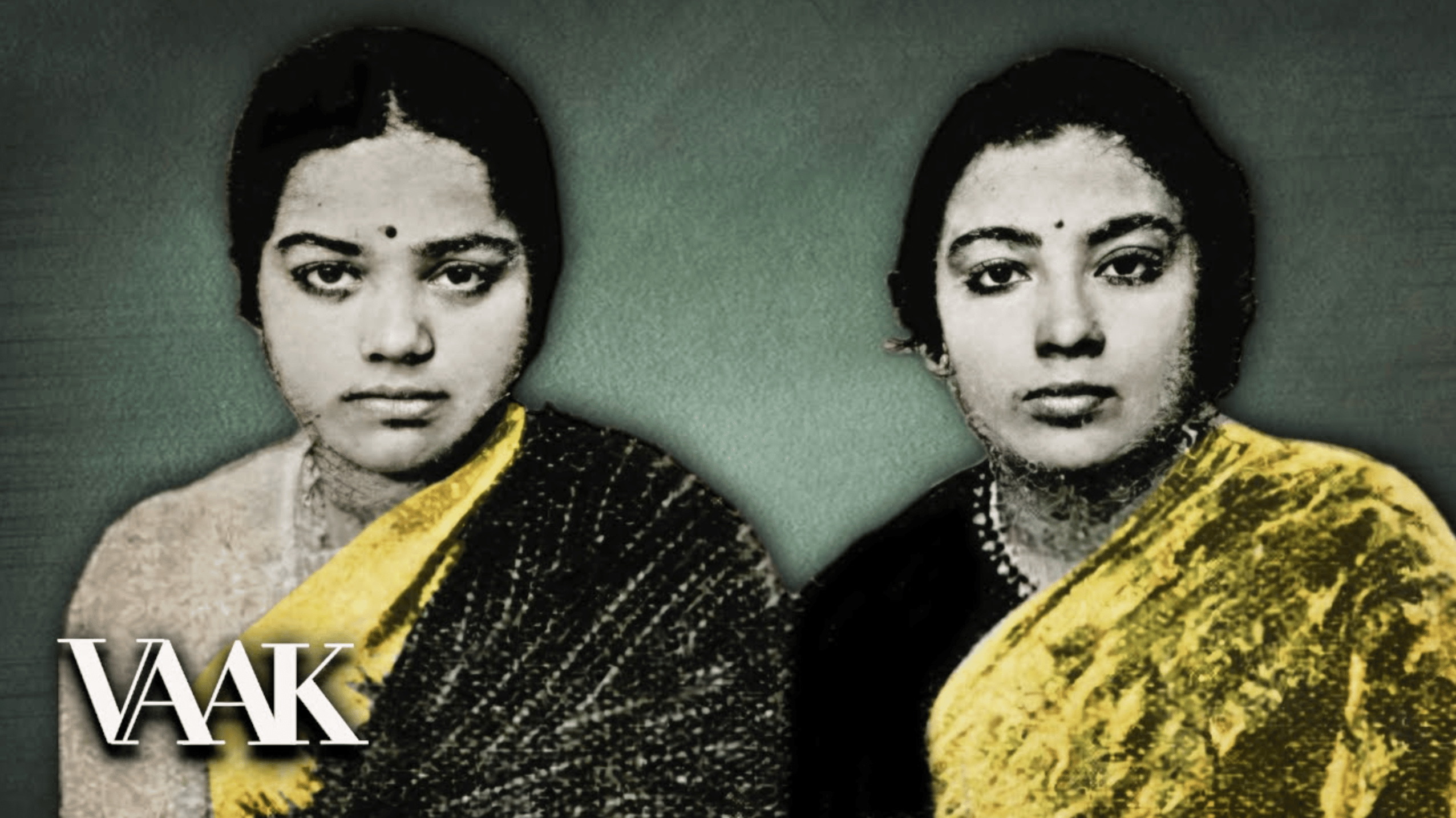
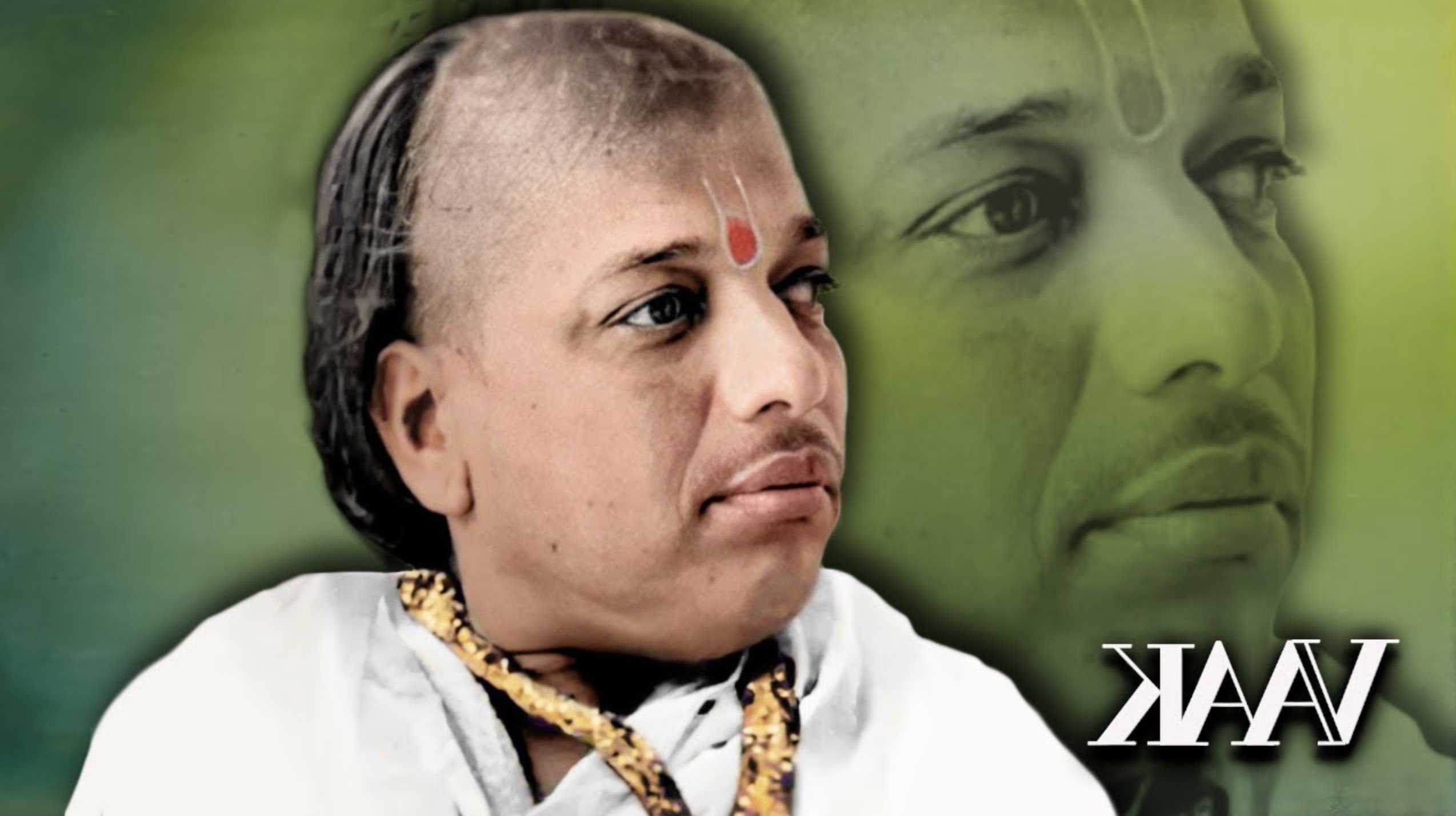
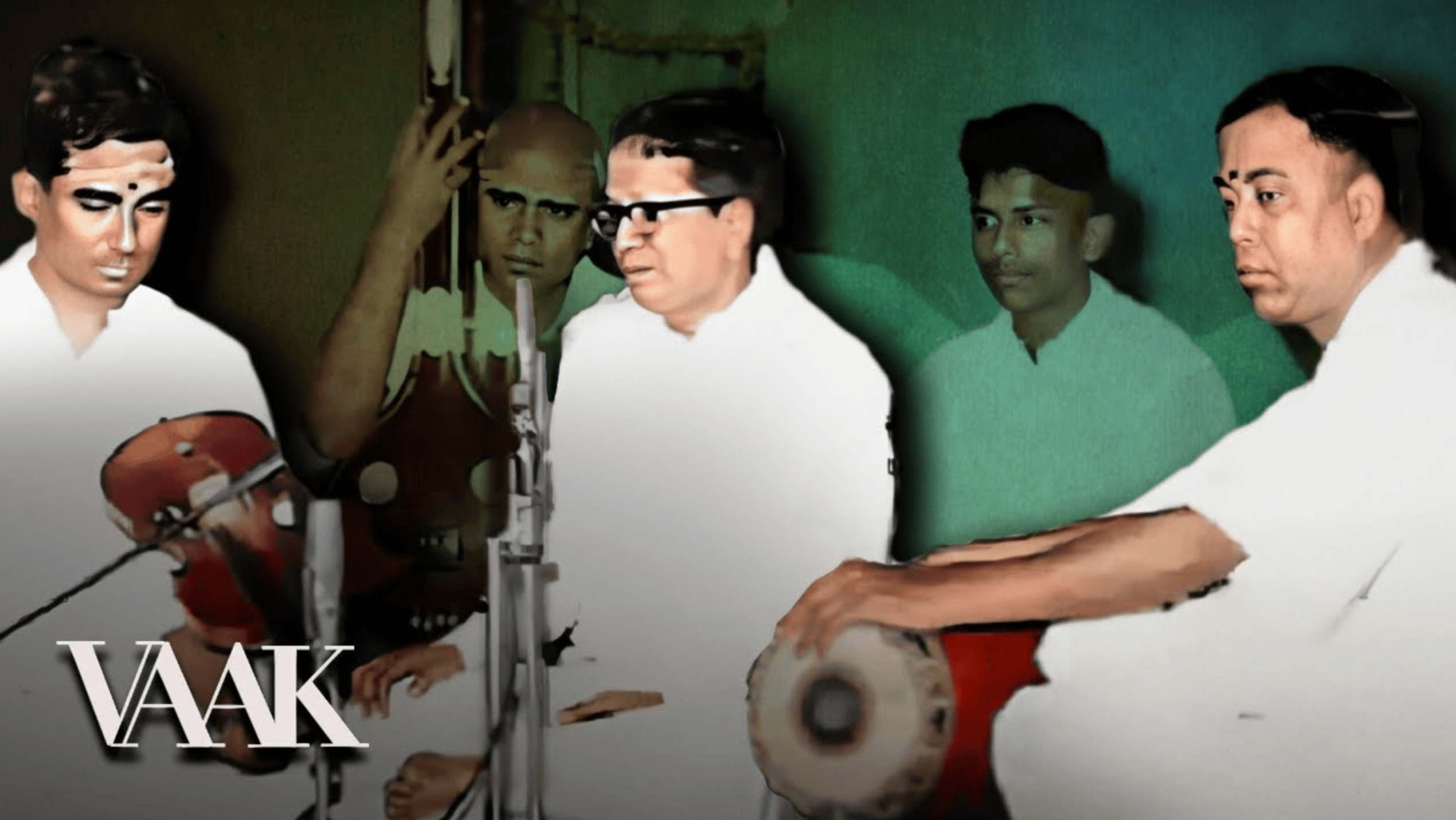
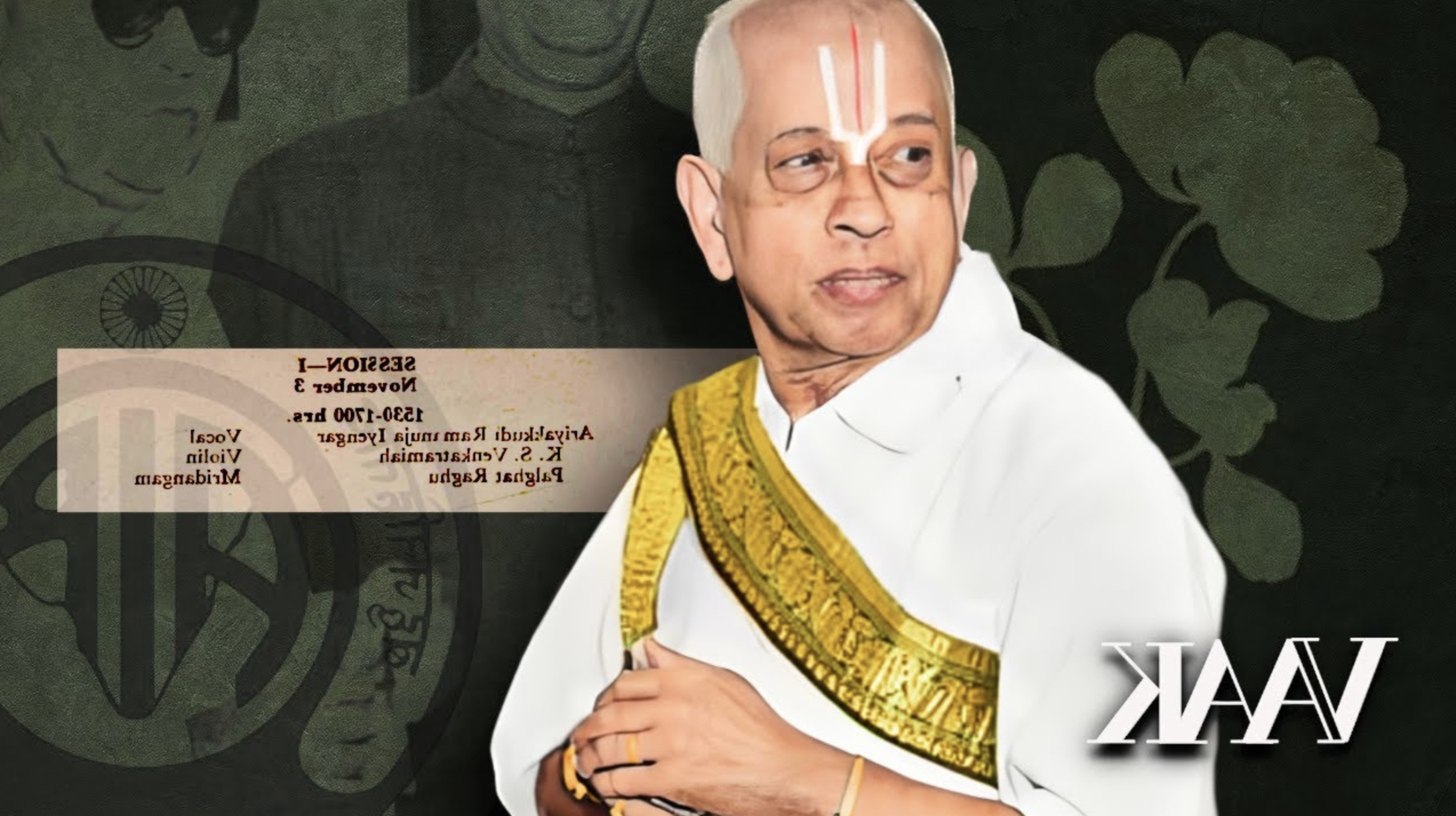
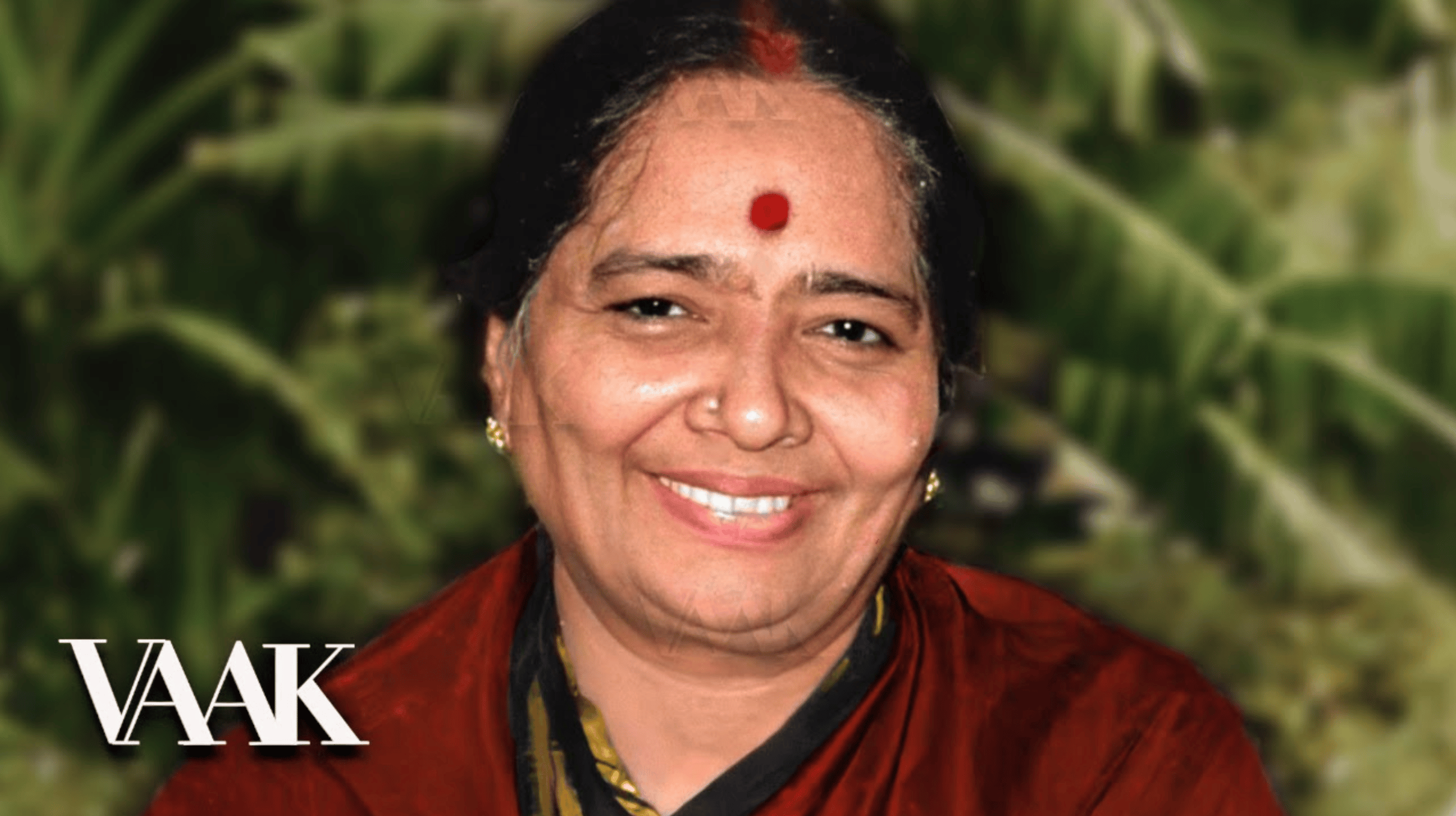
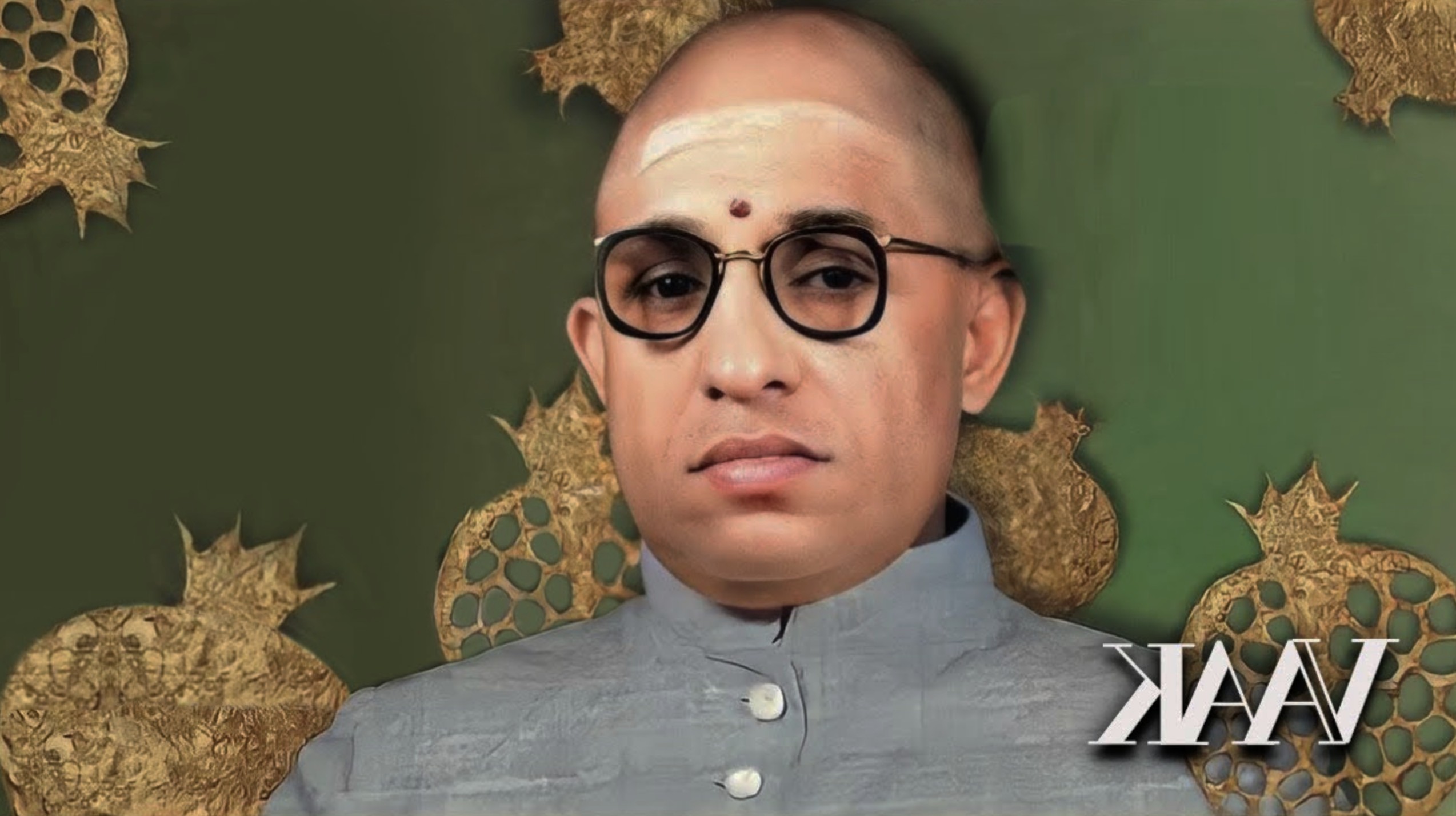
- Artist Profiles: Each artist profile is designed as a deep archive — bringing together biographical research, rare imagery, recordings, and visual documentation.
- Editorial & Writing: Through essays, research pieces, and visual narratives, we explore the history, aesthetics, and intellectual traditions of the arts.
- Curated Projects: Vaak produces thematic projects that bring together archives, storytelling, and design to present new ways of experiencing artistic history.
- Films & Visual Storytelling: Documentaries, visual essays, and archival films form an important part of how Vaak interprets and communicates cultural memory.



Preserving Memory, Expanding Context
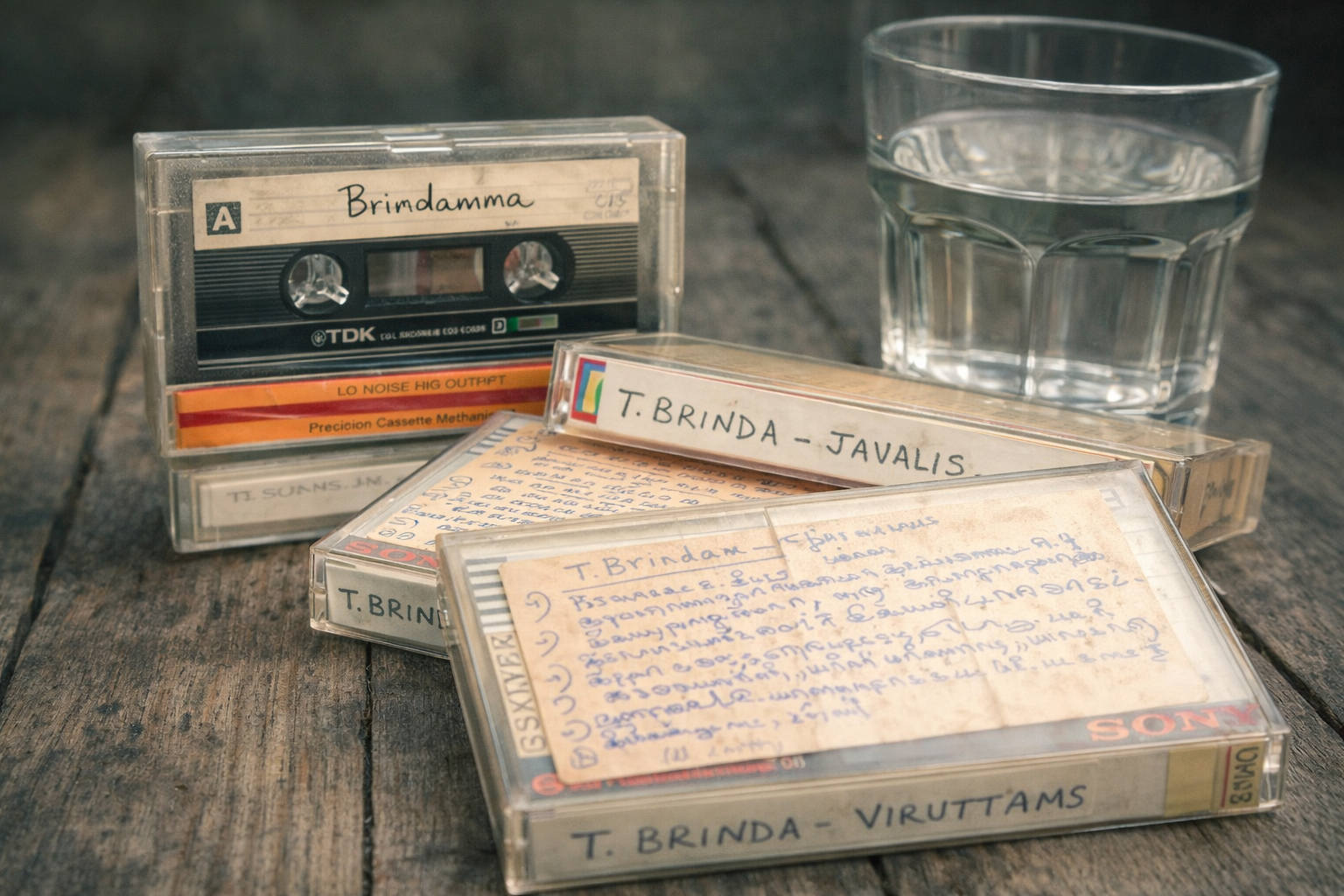
Much of South India’s artistic heritage survives in fragile and scattered forms — private recordings, ageing spool tapes, family photographs, forgotten publications, and undocumented memories. Without careful preservation, many of these materials risk disappearing from the cultural record.
Vaak was founded to create a space where these histories can be collected, restored, contextualised, and shared. Through archival research and documentation, the platform seeks to safeguard rare material related to Carnatic music and the wider artistic traditions of South India.
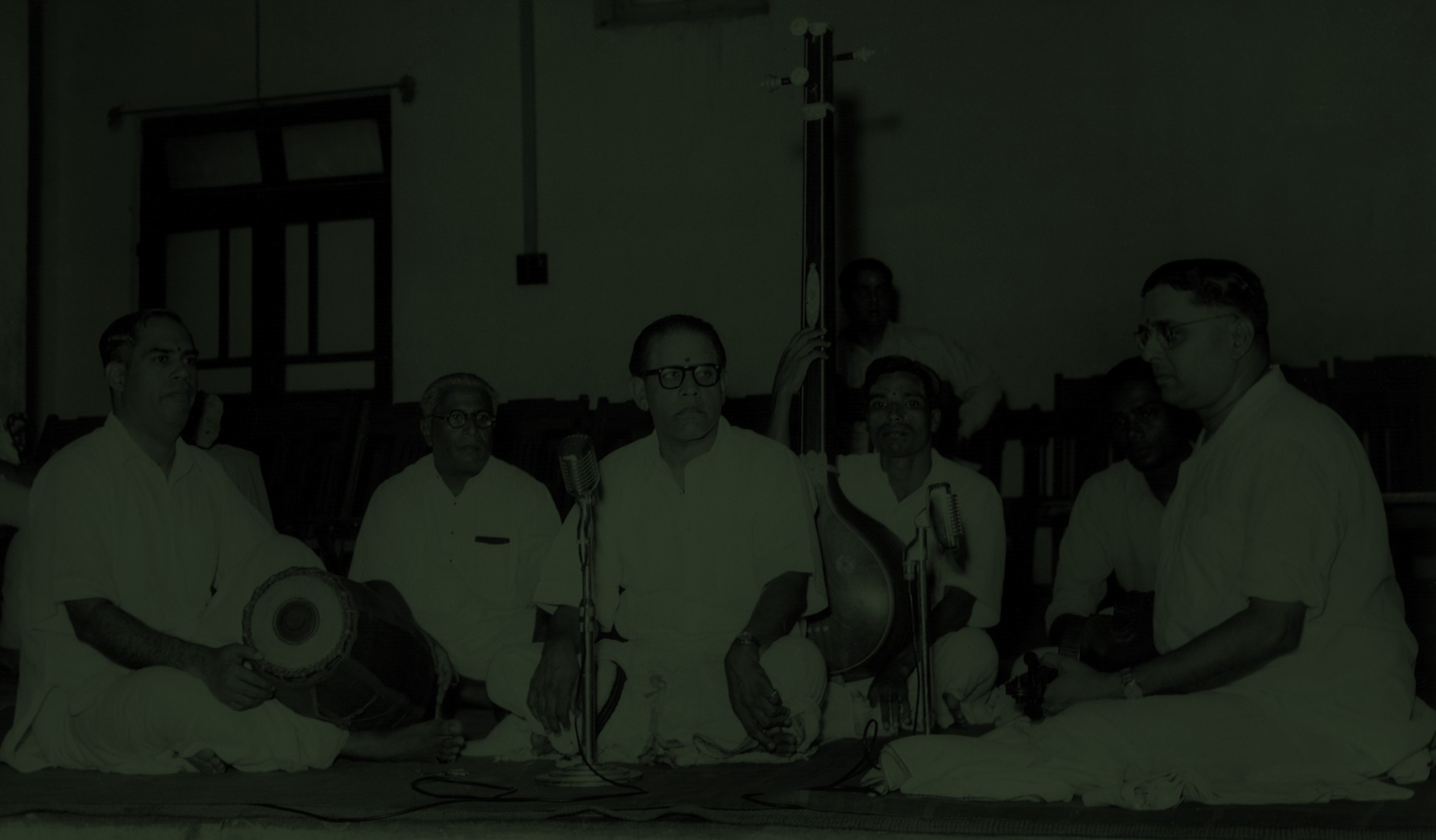
Many of the recordings and photographs presented within the Vaak archive originate from ageing media such as spool tapes, vinyl records, and fragile photographic prints. These materials are carefully restored and digitised so that they remain accessible to future generations while preserving the legacy of the great musicians who shaped the tradition.
A central aim of the archive is to document and preserve complete concert experiences. Carefully curated recordings from Vaak’s collection are restored and presented in a manner that allows listeners to engage with performances as they originally unfolded.
Vaak was founded to create a space where these histories can be collected, contextualised, and shared. By bringing together archives and scholarship, Vaak aims to build a resource that serves:
- researchers and historians
- students of the arts
- performers and practitioners
- cultural enthusiasts and listeners
The archive is presented for educational, research, and non-commercial purposes, encouraging deeper engagement with the history and practice of the arts. Many of the materials preserved here are difficult to access through conventional institutional archives or libraries, and this initiative seeks to bridge that gap in access to knowledge.
Through documentation, restoration, and careful curation, Vaak hopes to ensure that the
voices, artistry, and contributions of past
generations continue to remain
available to those who study,
practice, and cherish these
traditions.
Our Approach
Where Scholarship Meets Design
Vaak approaches archival work not simply as preservation, but as interpretation. We believe archives must be accessible, engaging, and visually meaningful.
Each project combines:
- Careful research
- Archival sourcing
- Visual design
- Narrative storytelling
The goal is to transform historical material into experiences that allow audiences to see, hear, and understand artistic history in new ways.
Contribute
Help Preserve Cultural Memory
Contact Us
Many of the most important archival materials remain in private collections and family archives. Old concert recordings, photographs, letters, programmes, or film footage often survive only in personal collections. Vaak welcomes individuals, families, scholars, and institutions to contribute materials that can help preserve these histories. If you have archival material related to South Indian arts — including music, dance, theatre, cinema, or visual culture — we would be honoured to help document and preserve it. Your contribution can help ensure that these memories are not lost, but instead become part of a shared cultural archive for future generations.
Materials we welcome include:
- Rare audio recordings in the form of Spools/Casettes or CDs
- Concert photographs
- Film footage
- Artist correspondence
- Printed programmes and brochures
- Personal recollections and documentation
All contributions are carefully credited and preserved with proper acknowledgement to the original source.
About Vaak
A South Indian Arts Initiative
Research • Archives • Conversations
Vaak is a cultural initiative dedicated to documenting, interpreting, and re-imagining the artistic traditions of South India.
We explore music, dance, visual culture, literature, cinema, and the many intellectual traditions that shape them. Through research, curation, archives, and storytelling, Vaak seeks to build a deeper understanding of artistic lineages — while opening new conversations about their relevance today.
At its heart, Vaak believes that art is not static heritage. It is a living continuum shaped by memory, scholarship, performance, and interpretation.
Across our platform you will find rare recordings, photographs, essays, and visual narratives that illuminate the people, ideas, and histories that shaped the arts we cherish.
Our work unfolds across several areas:
- Digital Archives: We curate and organise rare audio recordings, photographs, film footage, and historical material relating to artists and performances.
- Artist Profiles: Each artist profile is designed as a deep archive — bringing together biographical research, rare imagery, recordings, and visual documentation.
- Editorial & Writing: Through essays, research pieces, and visual narratives, we explore the history, aesthetics, and intellectual traditions of the arts.
- Curated Projects: Vaak produces thematic projects that bring together archives, storytelling, and design to present new ways of experiencing artistic history.
- Films & Visual Storytelling: Documentaries, visual essays, and archival films form an important part of how Vaak interprets and communicates cultural memory.
Preserving Memory, Expanding Context
Much of South India’s artistic heritage survives in fragile and scattered forms — private recordings, ageing spool tapes, family photographs, forgotten publications, and undocumented memories. Without careful preservation, many of these materials risk disappearing from the cultural record.
Vaak was founded to create a space where these histories can be collected, restored, contextualised, and shared. Through archival research and documentation, the platform seeks to safeguard rare material related to Carnatic music and the wider artistic traditions of South India.
Many of the recordings and photographs presented within the Vaak archive originate from ageing media such as spool tapes, vinyl records, and fragile photographic prints. These materials are carefully restored and digitised so that they remain accessible to future generations while preserving the legacy of the great musicians who shaped the tradition.
A central aim of the archive is to document and preserve complete concert experiences. Carefully curated recordings from Vaak’s collection are restored and presented in a manner that allows listeners to engage with performances as they originally unfolded.
Vaak was founded to create a space where these histories can be collected, contextualised, and shared. By bringing together archives and scholarship, Vaak aims to build a resource that serves:
- researchers and historians
- students of the arts
- performers and practitioners
- cultural enthusiasts and listeners
The archive is presented for educational, research, and non-commercial purposes,
encouraging deeper engagement with the history and practice of the arts. Many
of the materials preserved here are difficult to access through conventional
institutional archives or libraries, and this initiative seeks to bridge that
gap in access to knowledge.
Through documentation, restoration, and careful curation,
Vaak hopes to ensure that the voices, artistry, and
contributions of past generations continue to
remain available to those who study, practice,
and cherish these traditions.
Vaak approaches archival work not simply as preservation, but as interpretation. We believe archives must be accessible, engaging, and visually meaningful.
Each project combines:
- Careful research
- Archival sourcing
- Visual design
- Narrative storytelling
Our Approach
Where Scholarship Meets Design
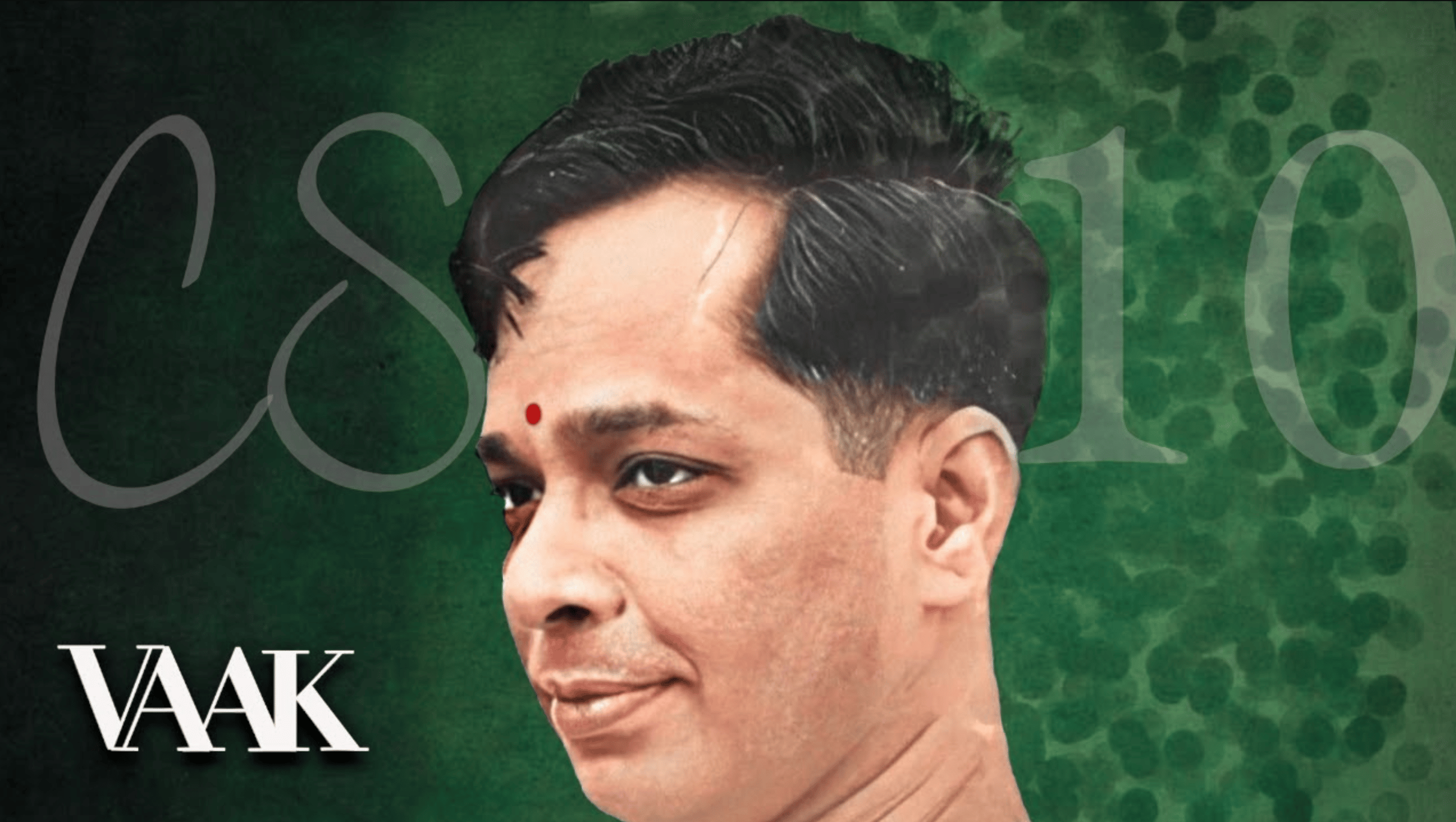
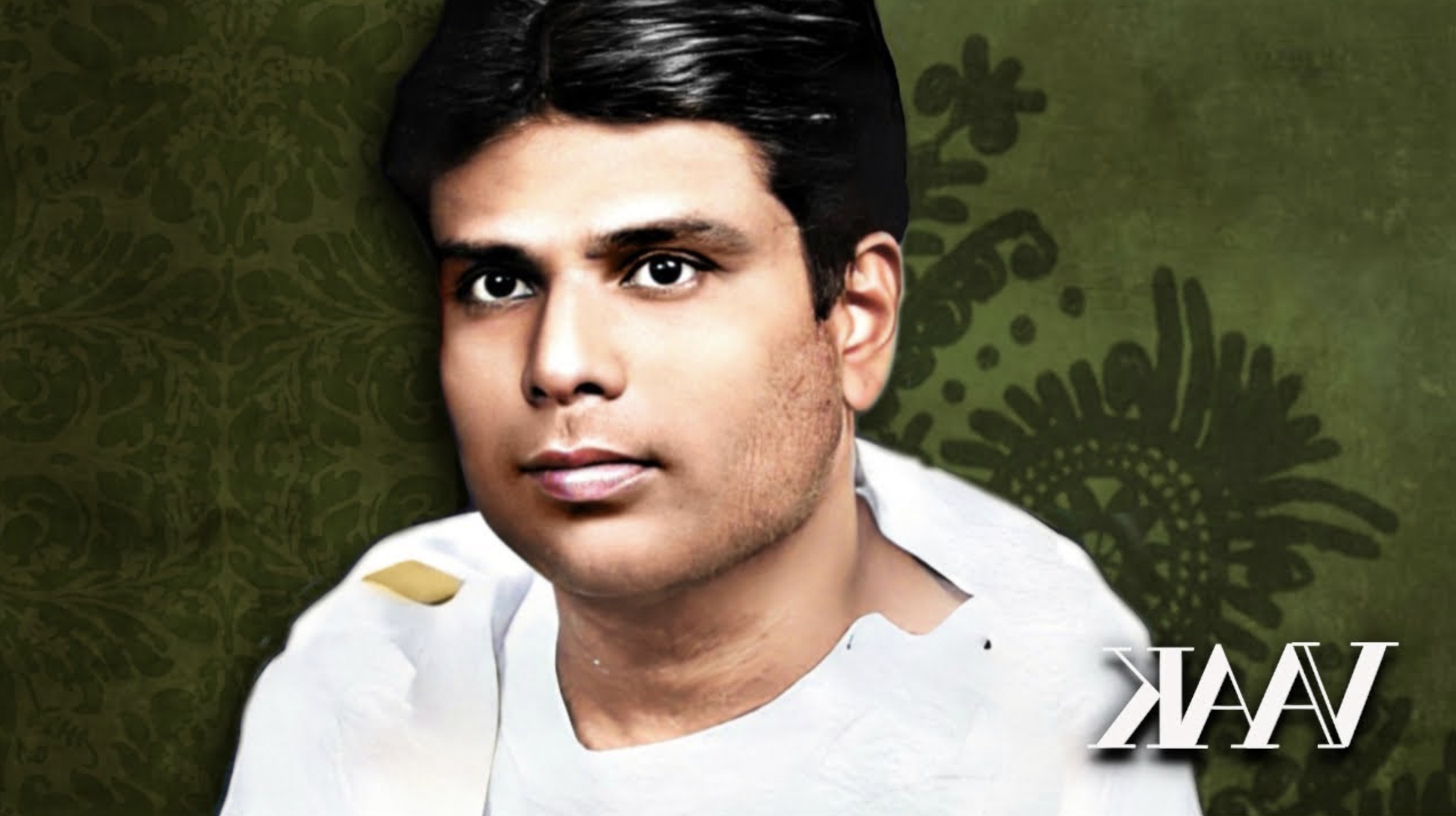
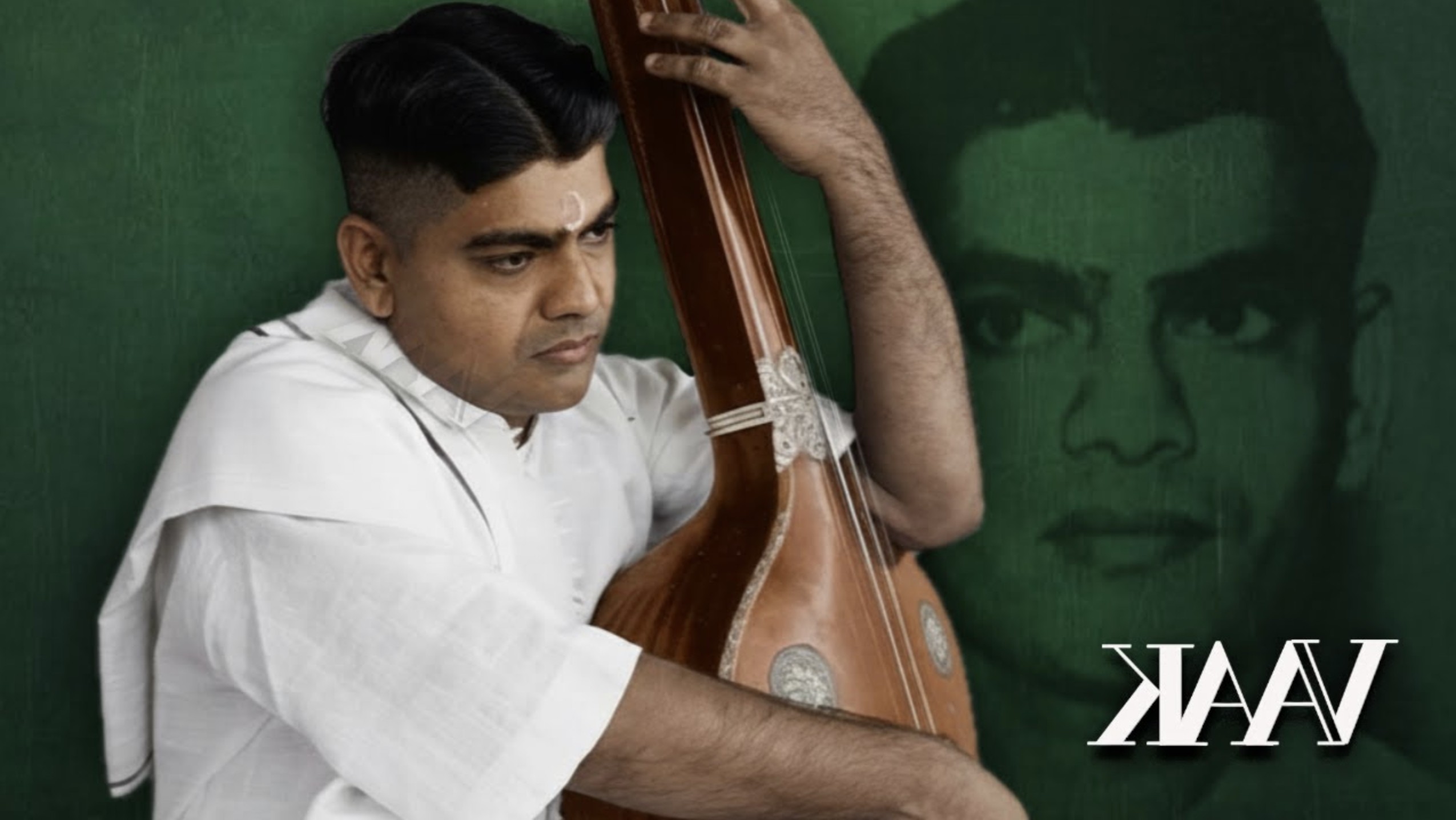
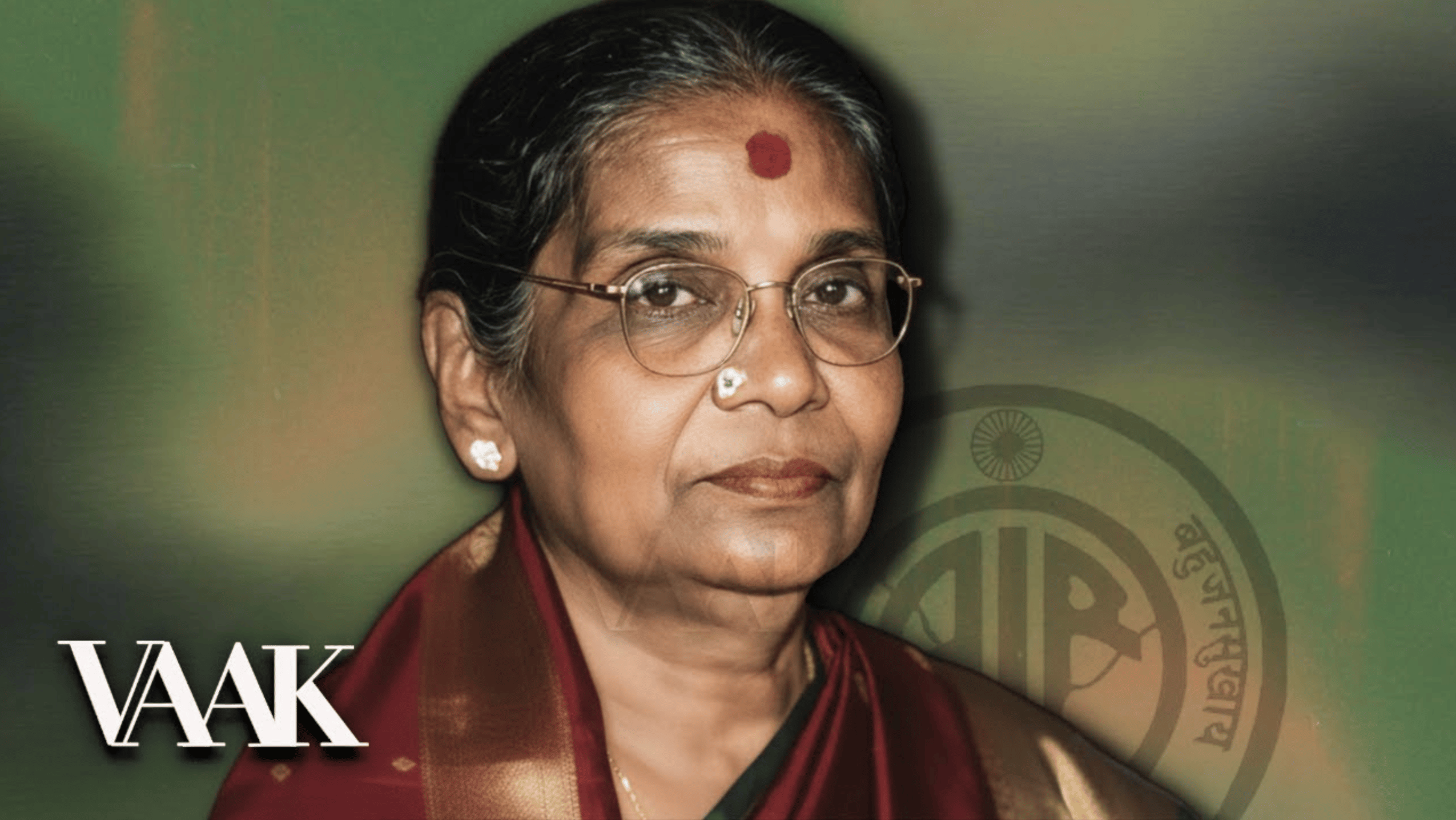
The goal is to transform historical material into experiences that allow audiences to see, hear, and understand artistic history in new ways.
Contribute
Help Preserve Cultural Memory
Contact Us
Many of the most important archival materials remain in private collections and family archives. Old concert recordings, photographs, letters, programmes, or film footage often survive only in personal collections. Vaak welcomes individuals, families, scholars, and institutions to contribute materials that can help preserve these histories. If you have archival material related to South Indian arts — including music, dance, theatre, cinema, or visual culture — we would be honoured to help document and preserve it. Your contribution can help ensure that these memories are not lost, but instead become part of a shared cultural archive for future generations.
Materials we welcome include:
- Rare audio recordings in the form of Spools/Casettes or CDs
- Concert photographs
- Film footage
- Artist correspondence
- Printed programmes and brochures
- Personal recollections and documentation
All contributions are carefully credited and preserved with proper acknowledgement to the original source.
About Vaak
A South Indian Arts Initiative
Research • Archives • Conversations
Vaak is a cultural initiative dedicated to documenting, interpreting, and re-imagining the artistic traditions of South India.
We explore music, dance, visual culture, literature, cinema, and the many intellectual traditions that shape them. Through research, curation, archives, and storytelling, Vaak seeks to build a deeper understanding of artistic lineages — while opening new conversations about their relevance today.
At its heart, Vaak believes that art is not static heritage. It is a living continuum shaped by memory, scholarship, performance, and interpretation.
Across our platform you will find rare recordings, photographs, essays, and visual narratives that illuminate the people, ideas, and histories that shaped the arts we cherish.
Our work unfolds across several areas:
- Digital Archives: We curate and organise rare audio recordings, photographs, film footage, and historical material relating to artists and performances.
- Artist Profiles: Each artist profile is designed as a deep archive — bringing together biographical research, rare imagery, recordings, and visual documentation.
- Editorial & Writing: Through essays, research pieces, and visual narratives, we explore the history, aesthetics, and intellectual traditions of the arts.
- Curated Projects: Vaak produces thematic projects that bring together archives, storytelling, and design to present new ways of experiencing artistic history.
- Films & Visual Storytelling: Documentaries, visual essays, and archival films form an important part of how Vaak interprets and communicates cultural memory.
Preserving Memory, Expanding Context
Much of South India’s artistic heritage survives in fragile and scattered forms — private recordings, ageing spool tapes, family photographs, forgotten publications, and undocumented memories. Without careful preservation, many of these materials risk disappearing from the cultural record.
Vaak was founded to create a space where these histories can be collected, restored, contextualised, and shared. Through archival research and documentation, the platform seeks to safeguard rare material related to Carnatic music and the wider artistic traditions of South India.
Many of the recordings and photographs presented within the Vaak archive originate from ageing media such as spool tapes, vinyl records, and fragile photographic prints. These materials are carefully restored and digitised so that they remain accessible to future generations while preserving the legacy of the great musicians who shaped the tradition.
A central aim of the archive is to document and preserve complete concert experiences. Carefully curated recordings from Vaak’s
collection are restored and presented in a manner that allows listeners to engage with performances as they originally unfolded.
Vaak was founded to create a space where these histories can be collected, contextualised, and shared. By bringing
together archives and scholarship, Vaak aims to build a resource that serves:
- researchers and historians
- students of the arts
- performers and practitioners
- cultural enthusiasts and listeners
The archive is presented for educational, research, and non-commercial purposes,
encouraging deeper engagement with the history and practice of the arts. Many
of the materials preserved here are difficult to access through conventional
institutional archives or libraries, and this initiative seeks to bridge that
gap in access to knowledge.
Through documentation, restoration, and careful curation,
Vaak hopes to ensure that the voices, artistry, and
contributions of past generations continue to
remain available to those who study, practice,
and cherish these traditions.
Vaak approaches archival work not simply as preservation, but as interpretation. We believe archives must be accessible, engaging, and visually meaningful.
Each project combines:
- Careful research
- Archival sourcing
- Visual design
- Narrative storytelling
Our Approach
Where Scholarship Meets Design
The goal is to transform historical material into experiences that allow audiences to see, hear, and understand artistic history in new ways.
Contribute
Help Preserve Cultural Memory
Contact Us
Many of the most important archival materials remain in private collections and family archives. Old concert recordings, photographs, letters, programmes, or film footage often survive only in personal collections. Vaak welcomes individuals, families, scholars, and institutions to contribute materials that can help preserve these histories. If you have archival material related to South Indian arts — including music, dance, theatre, cinema, or visual culture — we would be honoured to help document and preserve it. Your contribution can help ensure that these memories are not lost, but instead become part of a shared cultural archive for future generations.
Materials we welcome include:
- Rare audio recordings in the form of Spools/Cassettes or CDs
- Concert photographs
- Film footage
- Artist correspondence
- Printed programmes and brochures
- Personal recollections and documentation
All contributions are carefully credited and preserved with proper acknowledgement to the original source.